

About Early Futures Partership
Early Futures Partnership is the organizational home of two long-standing initiatives, Communities for Kids and First Five Nebraska, working alongside one another to advance early childhood in Nebraska.
Together, this unified approach reflects a simple belief: when community practice and public policy move in alignment, strategic progress is possible. Early Futures allows us to strengthen that alignment while preserving the distinct roles, relationships, and expertise that Communities for Kids and First Five Nebraska have built over time.
Early Futures Partnership is built on reliability, trust, and collaboration, advancing its mission through purposeful action and respectful engagement with communities and partners.

Our Vision
A Nebraska where every child’s journey defines our future.
Our Mission
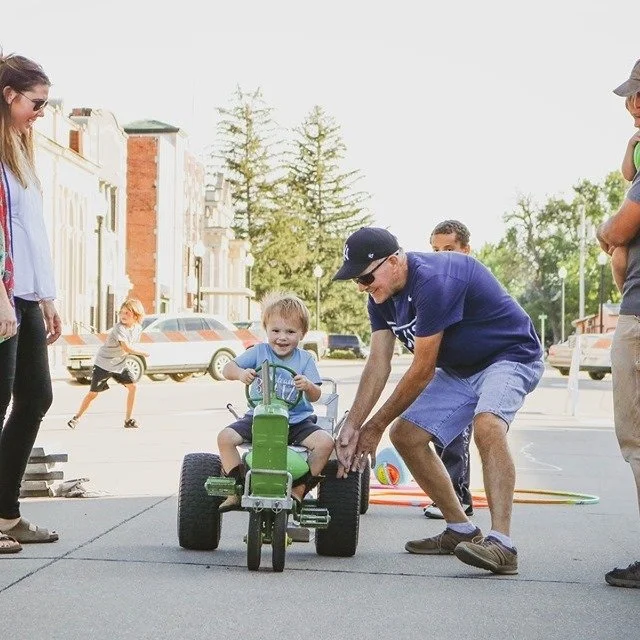
Early Futures Partnership sets a strong foundation for a child’s earliest years and life-long success by supporting families, advancing community-driven early childhood solutions, and connecting practice to policy.
Why Early Childhood Matters
The first years of a child’s life are a period of rapid brain development, deeply influenced by early experiences, interactions and environments. That’s why high-quality early childhood care and learning environments are so important: they build the foundation for cognitive, emotional and social skills that help children succeed now and in the future.
-
In infants, new brain synapses form at an astonishing rate. Early experiences are wired into the developing brain and form the foundation for emerging functions, including language, logic, memory and behavioral control. These neural connections become strong and more resilient through positive, stimulating interactions with loving adults at home and in quality care settings.
-
Preschool-age children thrive through interactions with parents and caregivers that stimulate their growing grasp of language, numbers and problem-solving. By age 3, children begin to learn social skills that help with decision-making and getting along with others.
As children enter kindergarten, the quality of their early learning experiences becomes evident as they interact with peers and teachers. Children who can focus, control impulses and take turns, for example, are on their way to becoming successful students. Children who have not developed these skills may need interventions to help mitigate inadequate developmental experiences during their earliest years.
-
We can make the most of children’s early developmental years by ensuring they have consistent, high-quality experiences that align with educational efforts from preschool through third grade. Coordinated learning experiences help ensure children make lasting cognitive and social-emotional gains that put them on the path to lifelong success.
-
Quality early childhood experiences are those in which children are physically safe and emotionally supported through frequent, warm, one-on-one interactions with caring adults who engage them in language-rich and educational activities. High-quality early care and education promotes the well-being of early childhood professionals, empowers parents as educators and caregivers, and fosters children’s healthy development and learning. These experiences are made possible through policies and practices that support ongoing quality improvement wherever children are cared for.